
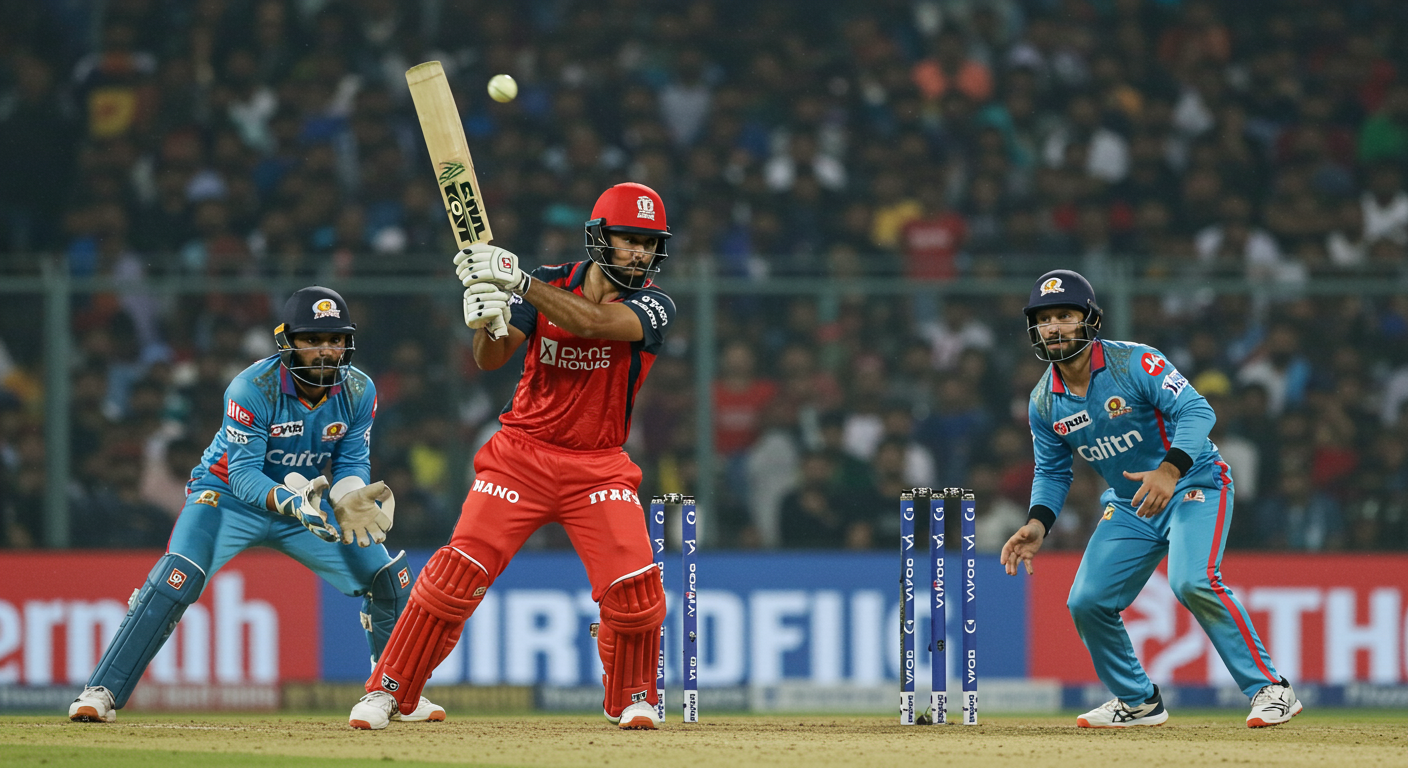
The Indian Premier League stands as cricket’s most electrifying tournament, captivating over 400 million viewers annually and generating unprecedented live betting activity across global markets. During IPL matches, betting odds experience dramatic swings that can shift from minute to minute, creating both opportunities and pitfalls for bettors navigating this volatile landscape.
This extreme volatility stems from IPL’s unique combination of match dynamics, star player performances, and intense fan sentiment that drives massive betting volumes. Understanding how to navigate these rapid odds fluctuations becomes crucial for anyone serious about IPL live betting odds success, requiring specialized strategies that differ significantly from traditional cricket betting approaches.
What Is Odds Volatility in IPL?
Odds volatility in IPL betting refers to the rapid and frequent changes in betting prices that occur throughout matches, driven by the tournament’s fast-paced format and unpredictable match dynamics. Unlike traditional Test cricket where odds might shift gradually over days, IPL odds can swing dramatically within single overs, making real-time betting IPL markets exceptionally challenging to navigate.
The IPL’s T20 format creates inherently higher volatility compared to longer cricket formats due to increased scoring rates, shorter match durations, and the outsized impact individual players can have on match outcomes. This heightened volatility is amplified by massive betting liquidity, with bookmakers constantly adjusting prices to reflect the tournament’s unpredictable nature.
For in-play betting enthusiasts, understanding IPL in-play volatility becomes essential for making informed decisions during live matches. The significance extends beyond simple price movements, affecting timing strategies, bankroll management, and the overall approach to cricket betting odds movement analysis throughout the tournament.
How IPL Betting Differs From Traditional Cricket Betting
The IPL’s unique characteristics create a betting environment that operates fundamentally differently from traditional cricket formats, requiring specialized knowledge and adapted strategies.
- Compressed timeframes: Matches conclude within 3-4 hours compared to multi-day Test formats, creating intense periods of rapid odds adjustment
- Individual impact amplification: Single players or even individual overs can completely alter match trajectories, causing immediate odds volatility spikes
- Massive betting volumes: Higher liquidity leads to more responsive odds movements as bookmakers react quickly to large betting patterns
- Entertainment-driven decisions: Casual bettors influenced by excitement rather than analysis contribute to less predictable market movements
- Star player premium: Celebrity cricketers command disproportionate betting attention, creating volatility around their individual performances
Key Metrics to Measure Odds Volatility
Professional bettors rely on specific metrics to quantify and track odds volatility during IPL matches, enabling more informed decision-making in volatile market conditions.
- Odds swing percentage: Calculate the percentage change in odds from opening to current prices, identifying markets experiencing extreme movements
- Implied probability shifts: Convert odds to probabilities and track changes to understand true market sentiment beyond raw price movements
- Volatility frequency tracking: Monitor how often odds change within specific timeframes to identify patterns and optimal betting windows
- Bid-ask spread analysis: Wider spreads indicate higher uncertainty and potential volatility, signaling caution or opportunity depending on strategy
- Historical comparison benchmarks: Compare current volatility levels against similar match situations to gauge whether movements are exceptional or typical
Factors Driving Odds Volatility During IPL
Multiple interconnected factors contribute to the exceptional odds volatility observed during IPL matches, each carrying different levels of impact and predictability. Understanding these drivers enables better anticipation of market movements and strategic positioning during volatile periods.
The combination of on-field dynamics, external conditions, and market psychology creates a complex environment where odds can shift dramatically within moments. Weather conditions, player substitutions, and momentum shifts all contribute to the IPL team changes impact odds in ways that traditional cricket betting rarely experiences.
| Factor | Description | Volatility Effect | Example IPL Scenario |
|---|---|---|---|
| Player Injuries | Key players ruled out during warmups | Extreme (20-30% odds shift) | Virat Kohli injury news 30 minutes before match |
| Weather Disruptions | Rain delays or DLS method implementation | High (15-25% adjustment) | Sudden rain reducing match to 12 overs per side |
| Powerplay Performance | Exceptional or poor first 6 overs | Moderate (10-20% shift) | Mumbai Indians scoring 80/0 in powerplay |
| Toss Impact | Pitch conditions favoring chase or defend | Low-Moderate (5-15% change) | Choosing to bowl first on dew-affected pitch |
| Death Overs Momentum | Final 4 overs performance swings | High (12-22% movement) | Andre Russell hitting 4 sixes in 19th over |
| Live Betting Volume | Massive one-sided betting patterns | Variable (5-18% impact) | 90% of bets backing Chennai Super Kings |
| Team Selection Changes | Unexpected playing XI announcements | Moderate (8-16% shift) | Rohit Sharma rested for playoff preparation |
| Strategic Timeouts | Mid-innings momentum and discussion breaks | Low (3-8% typical movement) | RCB timeout after losing 3 quick wickets |
Impact of Team Changes and Player News
Team composition changes represent one of the most significant drivers of pre-match and early-game odds volatility in IPL betting markets. Player auction results, mid-season transfers, and injury reports can trigger immediate and substantial odds adjustments, often occurring within minutes of official announcements.
The psychological impact on betting markets frequently exceeds the statistical significance of these changes, particularly when star players are involved. Bookmakers must rapidly recalibrate their models while simultaneously managing potentially massive liability swings as bettors react to team news, creating opportunities for sharp bettors who can quickly assess the true impact versus market overreaction.
Understanding In-Play Odds Fluctuations
In-play odds fluctuations during IPL matches occur with unprecedented frequency and magnitude, driven by the tournament’s compressed format and high-stakes nature. Bookmakers update odds continuously throughout matches, responding to every boundary, wicket, and strategic decision with algorithmic precision that reflects changing probabilities in real-time.
The triggers for these fluctuations extend beyond obvious events like wickets and boundaries to include subtle momentum shifts, crowd reactions, and even social media sentiment during high-profile matches. Understanding the psychology behind both bookmaker algorithms and bettor behavior becomes crucial for navigating these volatile markets successfully.
The interplay between automated systems and human trader interventions creates complex patterns in odds movement that experienced bettors learn to recognize and exploit. This continuous adjustment process means that value opportunities can appear and disappear within seconds, requiring quick decision-making and sophisticated monitoring tools.
Common In-Play Betting Markets and Volatility Patterns
Different betting markets exhibit distinct volatility characteristics during IPL matches, with some markets showing extreme sensitivity to specific events while others remain relatively stable. Understanding these patterns helps bettors identify the most suitable markets for their risk tolerance and strategy preferences.
| Market | Baseline Volatility | Main Triggers | Strategic Notes |
|---|---|---|---|
| Match Winner | High | Wickets, run rate changes, partnerships | Most liquid market, best for hedging strategies |
| Top Batsman | Extreme | Individual dismissals, strike rate performance | High value potential but requires quick reactions |
| Next Wicket Method | Moderate | Bowling changes, batsman aggression levels | Short-term market with frequent opportunities |
| Total Runs Over/Under | High | Scoring rate variations, wicket clusters | Excellent for statistical analysis approaches |
| Most Sixes | Very High | Power hitter performance, pitch conditions | Recreational market with occasional value spots |
Typical Odds Movement Scenarios in IPL Matches
Recognizing common patterns in odds movements helps bettors anticipate market reactions and position themselves advantageously during volatile periods. These scenarios repeat frequently throughout IPL seasons, creating predictable opportunities for prepared bettors.
- Early batting collapses: Teams losing 3+ wickets in powerplay create dramatic odds swings, often overreacting to statistical recovery possibilities
- Powerplay scoring explosions: Teams exceeding 70+ runs in first 6 overs trigger major adjustments in total runs markets and match winner odds
- Death-overs comebacks: Final 4 overs featuring 15+ runs per over create extreme volatility in chase scenarios and total runs betting
- Weather intervention periods: Rain delays cause immediate suspension of most markets followed by dramatic readjustments when play resumes under revised conditions
- Super Over situations: Tied matches entering super overs create temporary market suspensions followed by entirely new odds structures for the decisive phase
How Bookmakers Set and Adjust IPL Odds
Bookmakers employ sophisticated algorithms and risk management systems specifically calibrated for IPL’s unique volatility patterns, combining automated trading systems with human oversight to manage the extreme price movements characteristic of T20 cricket. These systems process vast amounts of data including live match statistics, betting patterns, and external factors like weather updates to maintain competitive and accurate odds throughout matches.
The speed of odds adjustment has become a critical competitive advantage, with leading bookmakers investing heavily in technology that can process and react to match events within seconds. This technological arms race has created increasingly efficient markets where value opportunities become fleeting, requiring bettors to utilize equally sophisticated tools and strategies.
Risk management becomes particularly challenging during IPL matches due to the massive betting volumes and rapid odds movements that can expose bookmakers to significant liability swings. Understanding how these systems operate provides insights into when odds movements represent genuine probability shifts versus risk management adjustments.
| Bookmaker Adjustment Method | Description | Responsiveness | Market Impact |
|---|---|---|---|
| Algorithmic Trading | Automated systems processing live data feeds | Ultra-fast (1-3 seconds) | Creates immediate baseline odds adjustments |
| Risk-Based Adjustments | Odds moved to balance liability exposure | Fast (10-30 seconds) | Can create temporary value opportunities |
| Human Trader Oversight | Manual interventions during extreme events | Moderate (1-5 minutes) | Provides stability during major incidents |
| Competitor Monitoring | Adjustments based on rival bookmaker prices | Variable (30 seconds – 2 minutes) | Maintains competitive positioning |
| Volume-Based Triggers | Large bet volumes trigger automatic adjustments | Immediate (under 5 seconds) | Protects against informed betting patterns |
Bookmaker Margins and Their Role in Volatility
Bookmakers margins cricket markets fluctuate significantly during volatile IPL periods, with overrounds expanding during uncertain moments and contracting when market confidence returns. These margin adjustments serve as both profit protection mechanisms and market signals, often amplifying apparent volatility beyond what pure probability calculations would suggest.
Understanding how margins behave during different phases of matches helps bettors identify when odds movements represent genuine value shifts versus risk management responses. Higher margins during volatile periods can actually dampen the true extent of probability changes, while margin compression during stable periods may indicate confidence in current pricing structures.
Balancing Risk: Bankroll Strategies for Volatile Markets
Effective bankroll management IPL betting requires specialized approaches that account for the tournament’s extreme volatility and the emotional intensity that characterizes T20 cricket betting. Traditional unit sizing and staking strategies often prove inadequate for IPL’s rapid-fire betting environment, necessitating more dynamic and responsive risk management techniques.
The psychological challenges of volatile markets compound the technical difficulties, as the excitement of close matches and rapid odds movements can lead to impulsive decisions that deviate from planned strategies. Successful IPL betting demands disciplined adherence to predetermined risk parameters while maintaining the flexibility to capitalize on genuine opportunities.
- Dynamic unit sizing: Adjust stake sizes based on current volatility levels, reducing exposure during extreme periods while maintaining standard units during stable phases
- Time-based stop losses: Implement automatic withdrawal from betting during predetermined high-volatility periods like death overs or weather delays
- Portfolio diversification across markets: Spread risk across different bet types and matches rather than concentrating on single high-volatility opportunities
- Volatility hedging techniques: Use opposing positions in correlated markets to reduce overall portfolio variance during uncertain periods
- Bankroll segregation strategies: Maintain separate allocations for stable markets versus high-volatility opportunities with different risk tolerances
- Real-time performance monitoring: Track results continuously with predetermined intervention triggers when performance deviates from expectations
Protecting Your Bankroll During IPL’s Most Volatile Moments
The most dangerous periods for bankroll damage occur during extreme volatility events when emotions run high and odds movements become erratic. Implementing protective measures before these situations arise proves far more effective than attempting damage control during volatile periods.
- Pre-define maximum exposure limits: Set absolute maximum stakes for volatile periods and stick to them regardless of apparent opportunities
- Avoid live betting during rain delays: Weather-affected matches create unpredictable odds movements that often favor the house edge
- Implement cooling-off periods after major losses: Take mandatory breaks following significant downswings to prevent revenge betting behavior
- Use only predetermined betting amounts: Never adjust stakes upward during matches, regardless of confidence levels or apparent value
- Monitor emotional state continuously: Withdraw from betting when experiencing strong emotional responses to match events or previous results
Identifying and Avoiding Overreaction Traps
Overreaction traps represent one of the most costly mistakes in volatile IPL betting markets, occurring when bettors interpret normal variance as significant trend changes and adjust their strategies accordingly. These traps typically manifest during dramatic match moments when odds swing violently but subsequently revert to more reasonable levels.
The fear of missing out on apparent value opportunities combined with the excitement of live matches creates perfect conditions for overreaction mistakes. Learning to distinguish between genuine market inefficiencies and temporary volatility noise becomes essential for long-term success in IPL betting markets.
Actionable Strategies for Capitalizing on IPL Odds Volatility
Successfully capitalizing on IPL betting strategies requires systematic approaches that combine technical analysis with disciplined execution, focusing on identifying and exploiting temporary market inefficiencies created by extreme volatility. These strategies must account for the speed at which opportunities appear and disappear in IPL markets.
The most effective approaches involve preparation before matches begin, including pre-identified value scenarios, predetermined entry and exit criteria, and established procedures for different types of volatility events. This preparation enables quick decision-making when opportunities arise without the pressure of real-time analysis.
- Pre-match volatility scenario planning: Identify potential high-volatility events and prepare corresponding betting strategies before matches begin
- Real-time odds monitoring across multiple bookmakers: Use IPL odds comparison tools to identify discrepancies that create immediate arbitrage or value opportunities
- Statistical model integration: Employ pitch and weather impact odds models to identify when market reactions exceed statistical justification
- Rapid hedging execution systems: Develop procedures for quickly securing profits or limiting losses when odds move favorably or unfavorably
- Market timing optimization: Study historical patterns to identify optimal entry and exit points during typical volatility cycles
- Selective bookmaker utilization: Choose bookmakers based on their specific strengths in different markets and volatility conditions
- Automated alert systems: Implement technology solutions that notify you of predetermined opportunity criteria being met
Using Odds Comparison Tools for Maximum Value
Odds comparison tools become indispensable during volatile IPL periods when price discrepancies between bookmakers can create significant value opportunities that exist for only brief windows. These tools enable rapid identification of the best available prices across multiple markets and bookmakers simultaneously.
The most effective utilization of these tools involves setting up customized alerts for specific thresholds and market conditions rather than manually monitoring prices continuously. This automated approach ensures that opportunities are identified quickly while allowing bettors to focus on analysis and execution rather than constant price monitoring.